Reimagine Your Area: Qualified General Contractor Services for All Project
Renovating a space demands careful planning and execution. Enlisting a general contractor can streamline this process. They deliver expertise to multiple projects, ensuring adherence with regulations and optimal management. The decision to hire a professional impacts the outcome significantly. Understanding the merits and types of projects overseen by general contractors is essential. What factors should one consider when undertaking upon such an endeavor?
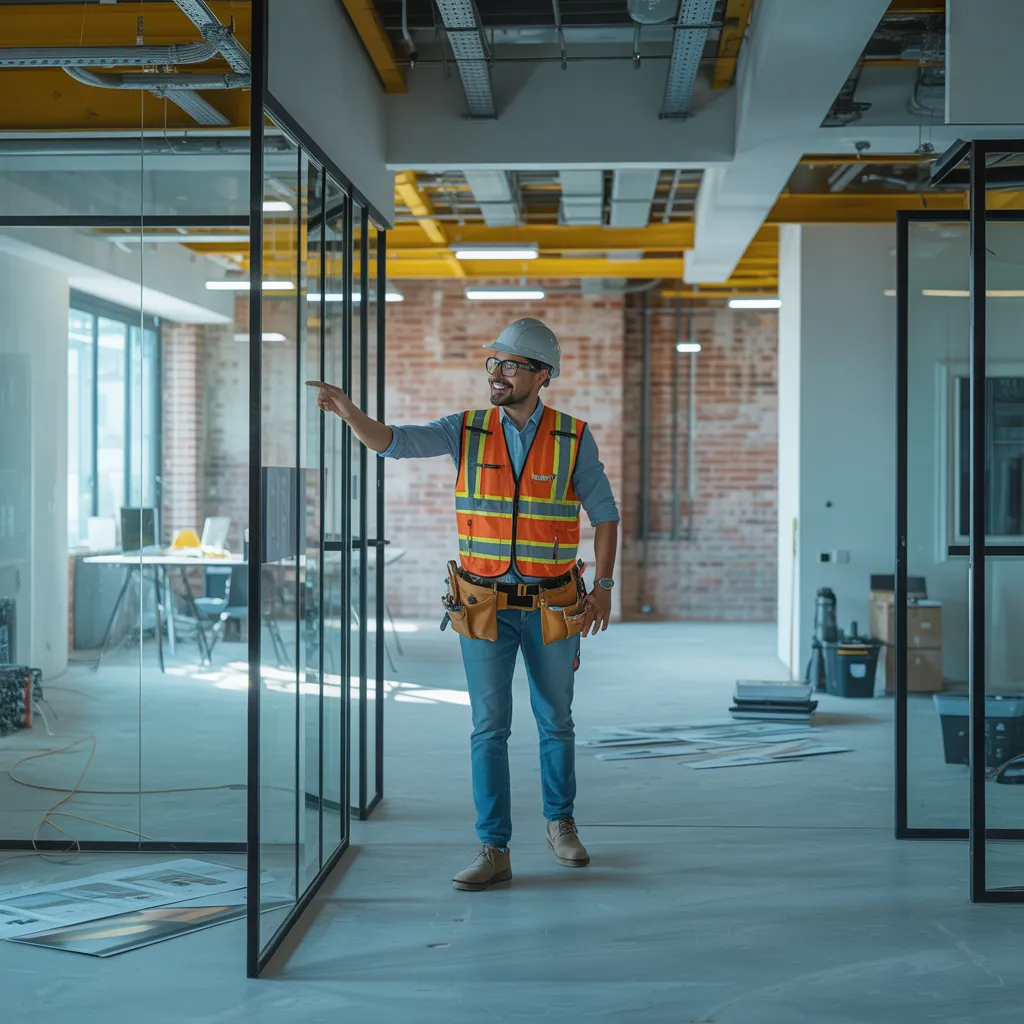
Why Hire a General Contractor for Your Project?
Upon starting a construction project, many individuals miss the value of hiring a general contractor. A general contractor serves as the project manager, coordinating multiple aspects of construction, which can be vital for securing efficiency. They have a comprehensive understanding of the construction process, enabling them to predict challenges and formulate solutions. Additionally, general contractors often have developed relationships with subcontractors and suppliers, enabling smoother negotiations and potentially achieving better pricing on materials and labor.
Furthermore, hiring a general contractor can save time, as they manage schedules and deadlines, letting homeowners to focus on other priorities. Their expertise in navigating local building codes and regulations is invaluable, serving to avoid costly mistakes or delays. Finally, engaging a general contractor can bring about a more organized, streamlined construction experience, ensuring that the project proceeds as planned, with fewer complications along the way.
Benefits of Hiring a General Contractor
Engaging a general contractor can substantially enhance the overall success of a construction project, as their expertise delivers multiple advantages. One of the key benefits is effective project management, as general contractors coordinate schedules, resources, and subcontractors, ensuring that timelines are met. Their solid relationships with suppliers often produce cost savings on materials, promoting budget efficiency.
Furthermore, general contractors hold extensive knowledge of local building codes and regulations, limiting legal complications and ensuring compliance. This expertise reduces the possibility of costly errors or delays. They also deliver a single point of contact, simplifying communication for clients and streamlining decision-making.
Furthermore, engaging a general contractor enables clients to concentrate on their day-to-day responsibilities without the stress of managing every aspect of the project. Eventually, the perks of bringing on a general contractor include better oversight, minimized risks, and improved overall quality of construction projects.
Project Types Commonly Handled by General Contractors
General contractors serve an essential function in overseeing various types of projects, each needing unique skills and coordination. Common projects include house renovation work, commercial development work, and exterior space renovations. Grasping the extent of these usual projects showcases the flexibility and vital role of general contractors in the building sector.
Home Renovation Projects
Though residential renovation initiatives can differ significantly in breadth and complexity, they typically include several key forms that general contractors are adept at managing. These projects often include kitchen upgrades, which elevate functionality and aesthetics, and bathroom renovations that increase both comfort and value. General contractors also regularly oversee basement finishing, transforming underutilized spaces into livable areas. Moreover, they manage home additions, increasing the living space to accommodate growing families or changing needs. Exterior renovations, such as deck installation or siding replacement, are also frequent, elevating curb appeal and structural integrity. By overseeing skilled trades, procuring permits, and following timelines, general contractors guarantee that residential renovations are completed efficiently and successfully, resulting in satisfied homeowners.
Business Construction Ventures
Commercial construction projects include a wide range of projects that demand the expertise of experienced general contractors. These projects frequently consist of office buildings, retail spaces, warehouses, and hospitality establishments. General contractors oversee the complete construction process, ensuring that timelines, budgets, and quality standards are achieved. They work with architects, engineers, and subcontractors to synchronize efforts and address challenges efficiently. Furthermore, they are in charge of securing necessary permits and complying with local regulations. From the initial planning phase to the final inspection, general contractors play a essential role in enabling seamless execution. Their experience and knowledge allow them to handle complex commercial projects, ultimately redesigning spaces to satisfy the unique needs of businesses and their clientele.
Outdoor Environment Renovations
Renovating outdoor spaces presents many different projects that skilled contractors skillfully handle to elevate both usability and aesthetics. These transformations can include the creation of patios and decks, which provide valuable outdoor living areas for leisure and entertainment. Landscaping projects are also common, involving the installation of gardens, pathways, and water features that boost the visual appeal of any property. Skilled contractors often oversee the creation of outdoor kitchens and dining spaces, enabling homeowners to enjoy al fresco meals. Moreover, they manage fencing and retaining wall installations that provide private space and structural support. By incorporating sustainable practices, like rain gardens and native plantings, contractors create environmentally friendly outdoor environments that benefit both homeowners and the nearby ecosystem.
Planning Your Budget for General Contractor Services
Planning a budget for general contractor services necessitates meticulous planning and detailed estimation of project costs. It is essential to set aside contingency funds to manage unanticipated expenditures that may emerge during the project. Additionally, giving priority to essential expenses confirms that the most critical aspects of the project receive adequate funding.
Calculate Project Costs
When preparing for a construction project, accurate cost assessment is vital for guaranteeing that the venture adheres to financial limits. A comprehensive evaluation of materials, labor, and necessary equipment should be carried out to create a solid budget. General contractors usually provide initial estimates depending on project specifications, enabling clients to understand possible expenses. It is imperative to gather several quotes from suppliers and subcontractors to assess pricing effectively. Additionally, considering the scope and complexity of the project will assist in identifying the most major cost drivers. By analyzing these factors precisely, clients can make well-informed decisions and avoid surprise financial burdens, finally leading to a triumphant project completion without overrunning the budget.
Designate Backup Resources
Establishing contingency funds is a crucial step in budgeting for general contractor services, as it helps safeguard against unforeseen expenses that may arise during a construction project. Commonly, a contingency fund should range from 5% to 15% of the total project budget, depending on the project's complexity and potential risks. This financial cushion enables homeowners to manage unexpected costs without disrupting the entire project. It is important to evaluate the scope and nature of the work when determining the proper percentage for the contingency fund. By planning for these potential additional expenses, homeowners can keep control over their budget while ensuring that the project remains on track, ultimately leading to a more successful renovation or construction experience.
Prioritize Critical Expenditures
Following the allocation of contingency funds, the next step in overseeing finances for general contractor services involves giving priority to essential expenses. Homeowners should start by identifying key project components that are non-negotiable, such as structural repairs, plumbing, and electrical work. These elements are vital for securing safety and functionality. Once essential expenses are recognized, clients should acquire detailed estimates from contractors to grasp the costs involved. This facilitates effective allocation of funds and helps avert overspending on non-essential features. By emphasizing necessities first, homeowners can establish a solid foundation for their project, ensuring that their budget covers both immediate needs and future enhancements. This strategic approach helps preserve financial stability throughout the renovation process.
Choosing the Right General Contractor for Your Needs
How can someone select the right general contractor for a given project? First, it is essential to obtain recommendations from online reviews, friends, or family to compile a shortlist of possible candidates. Following this, verify their credentials, including certifications, licenses, and insurance, ensuring compliance with local regulations. It is also imperative to review portfolios of past projects to determine the quality of their work and experience in similar ventures.
When a list has been narrowed down, candidate interviews are crucial. This enables assessment of communication skills, responsiveness, and adherence to project goals. Requesting detailed estimates and timelines will support determining budget compatibility and project feasibility. Lastly, copyrightining references and past client experiences will provide insight into reliability and professionalism. By taking these actions, one can confidently choose a general contractor who satisfies specific needs and expectations, ultimately leading to a successful project outcome.
Expectations for the Construction Process
What might one expect during the construction process? First, there will be a thorough assessment of the project, including on-site inspections and discussions about timelines and budget. Once the project gets underway, consistent communication between the contractor and the client is vital to maintain alignment on expectations and progress.
During construction, expect to see a range of tradespeople on-site, all working in pursuit of a common goal. This phase may involve disruptions, such as noise and limited access, so forward planning is necessary.
Delays could develop due to unpredictable circumstances, like adverse weather or material deficiencies, though a professional contractor will communicate these challenges immediately.
As construction nears its end, final reviews and adjustments will happen. Eventually, flexibility and patience are crucial as the construction process unfolds, leading to the successful transformation of the chosen space.
How to Collaborate Effectively With Your General Contractor?
Effective partnership with a general contractor can significantly influence the results of a construction project. Open communication is crucial; clients should articulate their vision, budget, and timeline from the outset. Regular check-ins can help guarantee that all parties remain aligned on project goals and progress. Creating mutual regard promotes a beneficial working relationship, facilitating honest dialogue about difficulties that may occur.
Clients ought to be equipped to make swift decisions concerning materials and design options to avert delays. Offering feedback during the process can assist the contractor in making required modifications. Furthermore, comprehending the contractor's workflow and limitations can improve collaboration, as it enables clients to foresee possible challenges. Finally, maintaining a flexible attitude towards changes can facilitate smoother adaptations during the project's lifecycle. By following these tips, clients can create an effective partnership with their general contractor, leading to successful project outcomes.
Questions & Answers
What Qualifications Should I Look for in a General Contractor?
When selecting a general contractor, it's important to consider their licensing, insurance, experience, references from clients, and portfolio of completed projects. In addition, good communication skills and a clear understanding of project timelines are vital for successful collaboration.
How Long Will My Project Take from Start to Finish?
Project timelines can differ significantly but typically range from a few weeks to several months. Elements affecting the timeline include project intricacy, contractor scheduling, and unexpected issues that may occur during visit now construction.
How Should I Handle a Dispute With My Contractor?
When facing a dispute with a contractor, the recommended approach is to first try direct communication to work through the issue. If the matter remains unsettled, checking the contract and considering mediation or legal advice may be required for further action.
Are General Contractors Both Licensed and Insured?
Absolutely, general contractors are typically required to be insured and licensed. This ensures they satisfy local standards and protect both themselves and their clients from possible liabilities or damages throughout a construction project.
Is It Feasible to Change the Project Once It's Underway?
Yes, changes can be made to a project once it starts, but they may necessitate modifications to the deadlines and budget. Regular dialogue with the contractor is important to manage any adjustments smoothly.